
I spent eight days in The Gambia, visiting Banjul, Serrekunda, Georgetown, and driving most of the length of this small country.
I spent eight days in The Gambia, visiting Banjul, Serrekunda, Georgetown, and driving most of the length of this small country.

I travelled through Benin for about 12 days, visiting Cotonou, Porto Novo, Abomey, Ouidah, and Grand Popo. I spent a decent chunk of my time there writing about Nigeria, so I didn’t dig into Benin quite as much and this piece will be shorter than others.
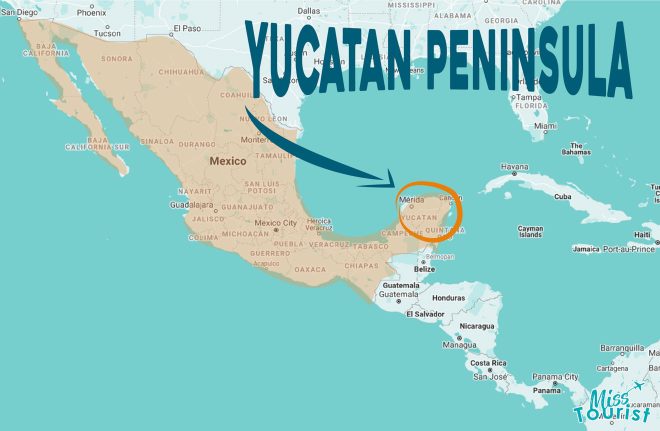
I spent eight days in the Yucatan Peninsula in Mexico, primarily in and around the cities of Cancun, Valladolid, and Merida.

Sometimes I want to abandon any pretense of a normal life and live like a drifter. I could drop the burden of ordinary work, friends, relationships, property, and just go to unusual places, see unusual things, and exist on the margins of civilization where society doesn’t really make sense, but is never boring. I’d have to give up on safety, stability, and the traditional building blocks of happiness (family, structure, etc.), but I’d gain adventure, ruggedness, and assuredness born from being solely responsible for my safety. I’d live by my own rules.
In other words, sometimes I wish I could live like Ryszard Kapuscinski.
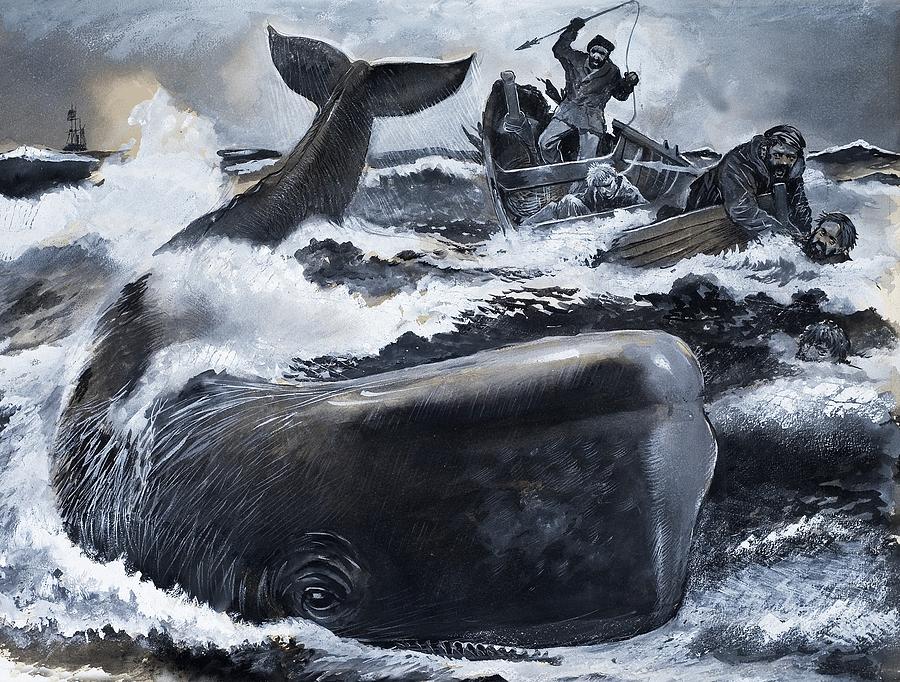
I think whaling is really cool. I can’t help it. It’s one of those things like guns and war and space colonization which hits the adventurous id. The idea that people used to go out in tiny boats into the middle of oceans and try to kill the biggest animals to ever exist on planet earth with glorified spears to extract organic material for fuel is awesome. It’s like something out of a fantasy novel.
So I embarked on this project to understand everything I could about whaling. I wanted to know why burning whale fat in lamps was the best way to light cities for about 50 years. I wanted to know how profitable whaling was, what the hunters were paid, and how many whaleships were lost at sea. I wanted to know why the classical image of whaling was associated with America and what other countries have whaling legacies. I wanted to know if the whaling industry wiped out the whales and if they can recover.
This essay is the result. It is over 30,000 words long, a new record for my blogging. It’s broken into seven parts linked here:
Part I – Economic Value of a Whale
Part III – Early Whaling History (6,000 BC-1700 AD)
Part IV – The Anglo Whaling War (1700-1815)
Part V – The Golden Age of Whaling (1815-1861)
Part VI – The Industrial Age (1865-1986)
Part VII – Modern Whaling (1987-Present)
As with my deep dive into K-pop, I advise that if you are interested in whaling, but not that interested, you should skip some sections and focus on others. Parts I and II are short and get into the fun nitty-gritty details of the practice of whaling. Parts III and IV are more about the history of the industry and how it interacted with politics, trade policy, etc, and are the most easily skipped sections. Part V is the longest and (IMO) most interesting section; it’s both an overview of American whaling and a deep dive into the economics of the industry, including crew payouts, profitability, venture earnings, and the impact of whaling on the global whale population. Part VI and VII bridge the gap between the high point of whaling and its near death in the modern age.
Continue reading “Everything You Might Want to Know about Whaling”

Prior to last month, I knew next to nothing about K-pop (Korean popular music) besides having heard a few songs in passing and the rumors of the industry’s infamous elements, most notably a string of high profile suicides over the last few years. As an American with no connection to music or South Korean culture, I wondered if I was getting an accurate picture of the industry or if I was being misled by the most lurid and morbid elements eagerly conveyed by the media.
So I decided to do a deep dive down the internet rabbit hole of K-pop to understand what it is, how it works, and what I think about it. For anything that’s not my personal opinion or that goes beyond basic historical knowledge, I’ll cite my sources, which are a mixture of news articles, academic articles, YouTube videos, and some content aggregators like Wikipedia and Statista. I welcome any corrections or criticisms on inaccurate sources or things I didn’t understand.
I’ll warn you upfront – this essay is over 30,000 words long. It is the largest post I have made on dormin.org besides my novel. Since I sympathize with anyone who doesn’t want to make such a large time investment into a subject of passing curiosity, I will present my key findings here divided between the five parts of the essay. If you’re not sure if you want to read everything, you can jump to any individual part and understand it without reading the other sections.
Bypassing numerous international restrictions, I traveled from America to Spain for a month-long trip in July. Most of the month was spent in and around Madrid, but I took a brief trip north to Galicia, specifically Vigo and Santiago de Compostela. It’s a beautiful country, great culture, fun people. Here I will compile my notes on Spain and some assorted thoughts about the country and Europe as a whole. For reasons that will soon become relevant, I want to say upfront:
With that said, here are my notes on things I found interesting during my time in Spain alongside pictures I took on the trip:
 Matt Lakeman